
What do I mean by cleaning up someone else’s mess?
A customer buys dozens of cheap, $15-range security cameras online because they want to save money. Then they hire the lowest-bidding installation crew to put everything in.
Less than a year later, the cameras start failing one after another. The images become blurry. Night vision stops working. Connections drop constantly.
Try calling the original installer? The phone number is dead. Nobody answers.
So the customer comes to me, hoping I’ll sort out the mess.
I show up, take one look at the installation, and my blood pressure shoots through the roof.
The camera housings have already turned yellow. I open one up, and the image sensor inside is ridiculously small. The lens feels like cheap plastic.
I tell the customer one thing:
“Honestly, if these cameras last a full year, that’ll be a miracle.”
And this isn’t an isolated case. It’s something that’s happening across the entire industry.
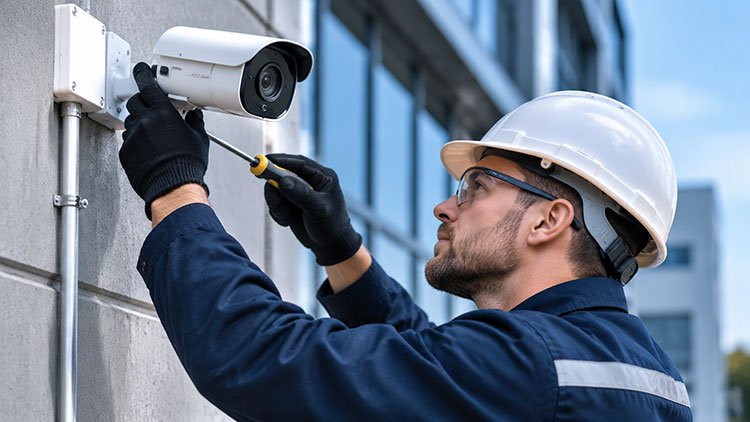
1. The News Is Already Out There, But Nobody Seems to Care
A lot of people may have missed the reports about low-cost security cameras and smart doorbells from obscure brands allegedly shipping with backdoor vulnerabilities.
According to reports, cybercriminals have been scanning public-facing IP addresses in bulk and accessing live camera feeds without passwords, exposing and selling footage of people’s private lives.
Think about what that means.
You spend around $15 on a security camera, and it may come with a backdoor from the day it leaves the factory.
Someone who knows your IP address may be able to watch what’s happening inside your home.
Now, let’s talk about the hardware inside these bargain-basement cameras.
A genuine 8-megapixel CMOS image sensor can cost tens of dollars or even more than $15 per unit, depending on the model, specifications, and purchasing volume.
Yet some cameras in this price range use extremely low-cost, inferior 1-megapixel sensors. Some may even contain surplus components salvaged from discarded dashcams.
But here’s the thing: the camera itself isn’t the scariest part.
It’s the people installing these systems.
2. The Race to the Bottom on Price
Around 83% of security contractors are stuck in one of three situations:
- They can do the work but can’t win the projects.
- They can finish the installation quickly but struggle to get paid on time.
- They can put together impressive proposals, but the actual implementation falls apart.
To win projects, contractors keep cutting their prices. Again and again.
But what happens when the price drops below the actual cost of doing the job?
They start cutting corners on materials.
And when they cut corners on materials, quality takes a hit.
When quality collapses, customers lose trust in the entire industry.
It’s a vicious cycle.
That’s the race to the bottom, and everybody loses.
3. The Few Dozen Dollars You Save Today Could Become a Time Bomb Tomorrow
I’ve seen some truly outrageous cases.
One factory owner squeezed the budget for his facility’s surveillance system down to the absolute minimum.
The installation crew used nothing but bargain-basement, no-name cameras.
Once everything was installed, it looked fine. The images were watchable, at least under normal conditions.
Then, six months later, a theft occurred at the factory.
The owner went to review the footage.
The cameras covering the critical areas produced nothing but pixelated, unusable images. The people in the footage couldn’t even be identified.
The owner was furious and threatened to sue the installer.
The installer’s response?
“That’s the price you gave us.”
And technically, they had a point.
That’s the budget you gave us. That’s the result you paid for.
The problem with substandard security cameras is that their weaknesses often remain hidden until it’s too late.
During the day, with plenty of light, the footage may look acceptable.
But at night, in low-light conditions, or when something actually happens and you need to review the recordings, every weakness comes to the surface.
By then, the damage has already been done. There’s no going back.
I’ve also heard of seven local security contractors in Inner Mongolia who reportedly suffered heavy losses after having to carry out large-scale winter rework because of poor-quality lenses.
And that was just a lens problem.
What about all the other components?
4. Even Worse Than Poor Quality Is the Security Risk
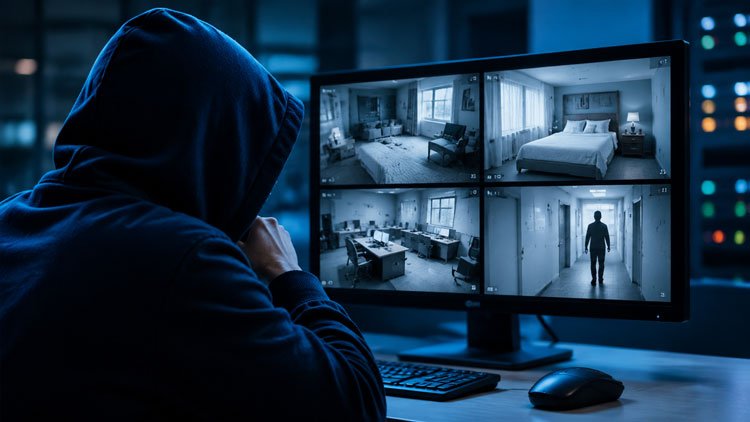
The risks associated with cheap, no-name security cameras go far beyond blurry images.
I’ve come across reports of a woman living alone whose indoor camera allegedly turned toward her bed at 3 a.m. Login records reportedly showed that a third-party account had remotely controlled the device.
There have also been legal cases involving smart doorbells that continuously captured information about other people’s comings and goings, revealing their routines and movements. In one reported case, a court found a violation of privacy rights and ordered the device to be removed.
Behind incidents like these lies a much bigger problem: an entire underground industry built around exploiting vulnerable devices.
Some low-cost cameras may ship with security flaws. Cybercriminals scan IP addresses in bulk, exploit vulnerabilities or weak passwords, and gain access to live footage.
Your security camera could be turning into someone else’s private livestream.
Let that sink in.
You bought the camera to protect your home, your family, or your business.
But what if the very device you trust to keep you safe becomes the thing that puts your privacy at risk?
That’s not security. That’s a liability.
5. The Biggest Enemy of This Industry Isn’t the Competition. It’s the “Good Enough” Mentality.
When you get down to it, the biggest problem in the security industry isn’t a lack of technology. It’s not that good products don’t exist.
It’s that too many people have adopted the attitude that “good enough is good enough.”
Customers think: As long as I can see something, it’ll do. As long as it’s cheap, it’s fine.
Installers think: As long as the job gets signed off, we’re good. As long as we get paid, that’s all that matters.
Manufacturers think: As long as we can sell it, we’re fine. Just make the specifications look impressive on paper.
Everybody settles for “good enough.”
And in the end, the entire industry goes downhill.
Reputable manufacturers can’t sell their quality products because customers say, “The guy next door sells them for $15.”
Professional installers can’t win projects because customers say, “Someone else quoted half your price.”
And eventually, inferior products drive out better ones. The people who genuinely care about doing things right are the ones who get pushed out.
That’s the part that hurts the most.
6. There Are Two Groups of People I Want to Talk To
To Customers
You’re buying a security system, not a toy.
The whole point of security is that when something goes wrong, the system needs to deliver.
If your surveillance system can’t give you usable footage when an incident occurs, then, for all practical purposes, you might as well not have installed it.
The few dozen dollars you saved won’t mean a thing when you’re dealing with the consequences of a theft, a break-in, or a serious security incident.
Don’t judge a security system solely by how it looks on installation day. Judge it by whether it will still work when you actually need it.
To My Fellow Security Professionals
Stop racing to the bottom on price.
If you keep cutting prices until there’s nothing left to cut, customers will eventually lose trust in the entire industry, including you.
Instead of competing solely on price, differentiate yourself through expertise.
- Help customers calculate their PoE power requirements properly.
- Help them develop compliant, fit-for-purpose security solutions.
- Help them choose the right equipment for their actual needs.
Explain the trade-offs. Make the risks clear. Show them what they’re paying for.
Your professional expertise is what makes you valuable.
Not how cheaply you can install a camera.
The security industry deserves better than being destroyed by two words: “cheap enough.”
What do you think?
I’d love to hear about the low-cost security projects you’ve seen go wrong. Share your experiences in the comments.
And if you agree with what I’ve said, pass this article along to your fellow security professionals.
Some things need to be said. And someone has to say them.